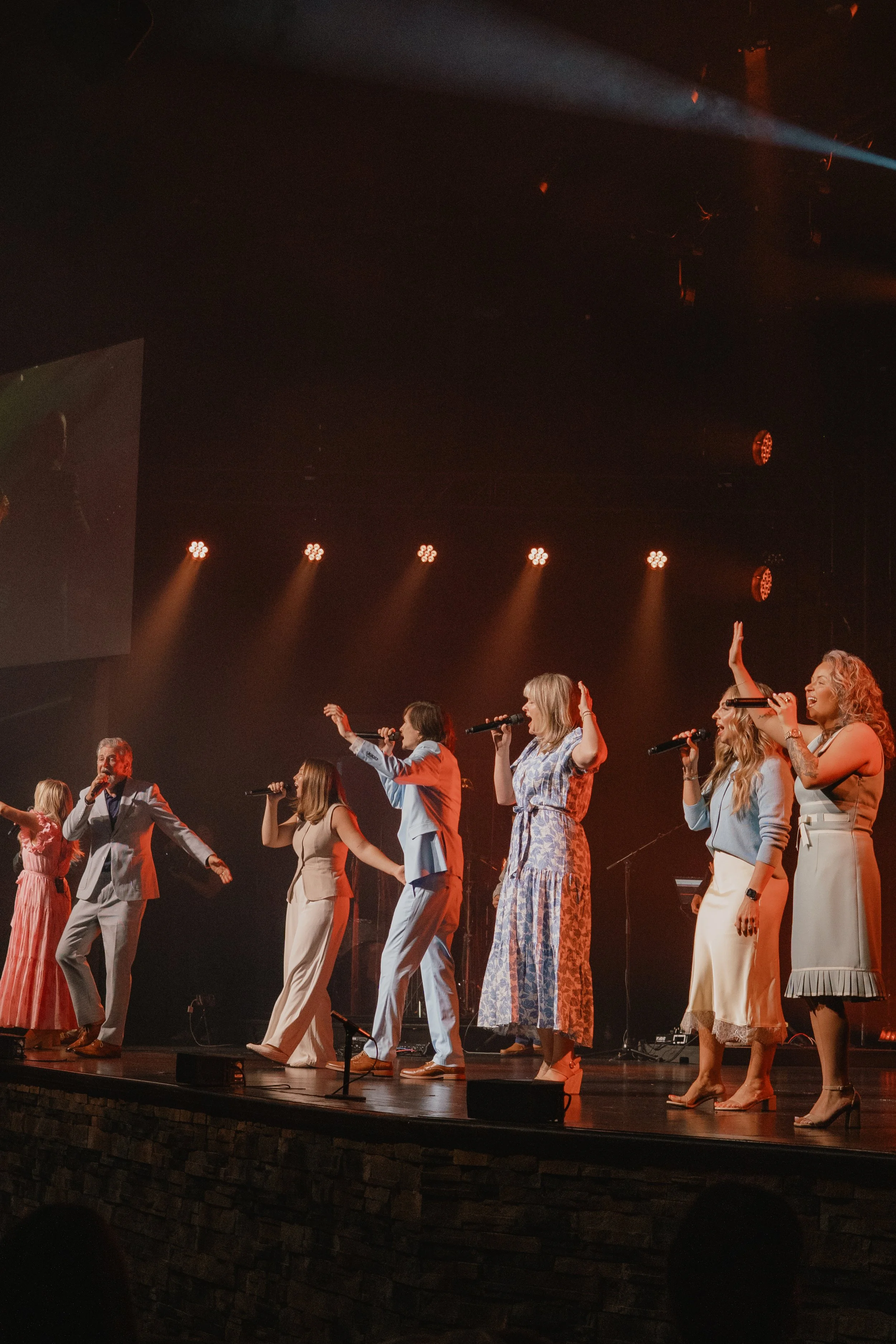
Over the past 30 years at Stevens Creek Church, I’ve helped plan thousands of worship services. And if there’s one thing I’ve learned, it’s this:
You can easily lose sight of what really matters when you’re creating services every single week.
Deadlines.
Setlists.
Tracks.
Lights.
Transitions.
Announcements.
Band rehearsals.
Creative meetings.
If you’re not careful, you can spend so much time producing the experience that you forget the purpose of the experience.
That’s why there are three questions I constantly come back to when planning worship services. These questions help keep me grounded, focused, and intentional every single week.
1. What’s Your Motive?
This always has to come first.
In worship ministry, it’s dangerously easy to make things about ourselves. We stand on stages, hold microphones, and lead in front of people every week. And little by little, if we’re not careful, our focus can shift from leading people to Jesus… to leading people to notice us.
That tension never completely goes away.
A few years ago, I started a simple habit right before walking on stage. Before the first note, before the lights come up, before the countdown hits zero, I pause for just a second.
I take a breath.
I step forward.
And I quietly pray:
“God, let people see You, not me.”
That simple moment recalibrates my heart every time.
Because worship leadership isn’t about building our platform.
It’s about pointing people to His presence.
And honestly, people can feel the difference.
2. Who Are You Leading?
One of the biggest mistakes worship leaders make is planning services for themselves instead of the people they’re actually leading.
You have to know your room.
Every audience is different.
Every church culture is different.
Every moment is different.
The way you lead a student camp should probably look different than the way you lead a Sunday morning with a room full of young families, empty nesters, and first-time guests.
That doesn’t mean compromising truth.
It means being wise enough to communicate in a way people can actually connect with.
At Stevens Creek, we constantly ask:
“Who are we trying to reach?”
Because the answer to that question shapes everything.
Song selection.
Transitions.
Volume.
Language.
Creative elements.
Even the overall feel of the service.
If there are people far from God in the room, I want to lead in a way that invites them in …not pushes them out. I want them to experience the presence of God without feeling like outsiders who don’t understand the language or culture.
Great worship leaders don’t just lead songs well.
They lead people well.
3. Where Are You Trying to Take Them?
Every service is taking people somewhere emotionally, spiritually, and mentally.
The question is:
Are you leading intentionally… or just filling time?
When I build a worship set, I almost always start with the ending in mind.
What do I want people walking away feeling?
What’s the spiritual direction of the morning?
What’s the message about?
What moment are we trying to create?
Sometimes the goal is celebration.
Sometimes it’s reflection.
Sometimes it’s building expectation.
Sometimes it’s creating space for surrender.
But whatever it is …it needs intentionality.
One of the most important things I’ve learned is this:
It’s much easier to lead people somewhere you’ve already been yourself.
If you haven’t felt the flow of the service before Sunday…
if you haven’t thought through the transitions…
if you haven’t prepared spiritually and creatively…
you’ll end up reacting instead of leading.
And yes …I still believe deeply in leaving room for the Holy Spirit.
People often ask:
“If you plan things this carefully, where’s the room for spontaneity?”
My answer is simple:
Hopefully the Holy Spirit was involved long before Sunday morning.
I believe preparation and sensitivity to the Spirit work together … not against each other.
In fact, the more prepared you are, the more flexible you can actually become in the moment.
Preparation creates confidence.
Confidence creates freedom.
Don’t use “being led by the Spirit” as an excuse for lack of preparation.
Pray through your transitions.
Think through your moments.
Prepare your prayers.
Plan intentionally.
Then be willing to pivot if God leads another direction.
That balance matters.
As you plan your next service, ask yourself these three questions:
What’s my motive?
Who am I leading?
Where am I trying to take them?
Those three questions can completely change the way you approach worship planning … and ultimately help create experiences that genuinely move people toward Jesus.