A few weeks ago, I did something I don’t get to do very often.
I took a Sunday off from leading worship and simply attended church.
When you’re on stage every weekend, it’s easy to lose perspective. You know every transition, every cue, every song, every lighting change. But sitting in the seats gives you a completely different view.
The experience at Stevens Creek was excellent. The worship team led with passion. The music sounded great. The message connected.
But something caught my attention.
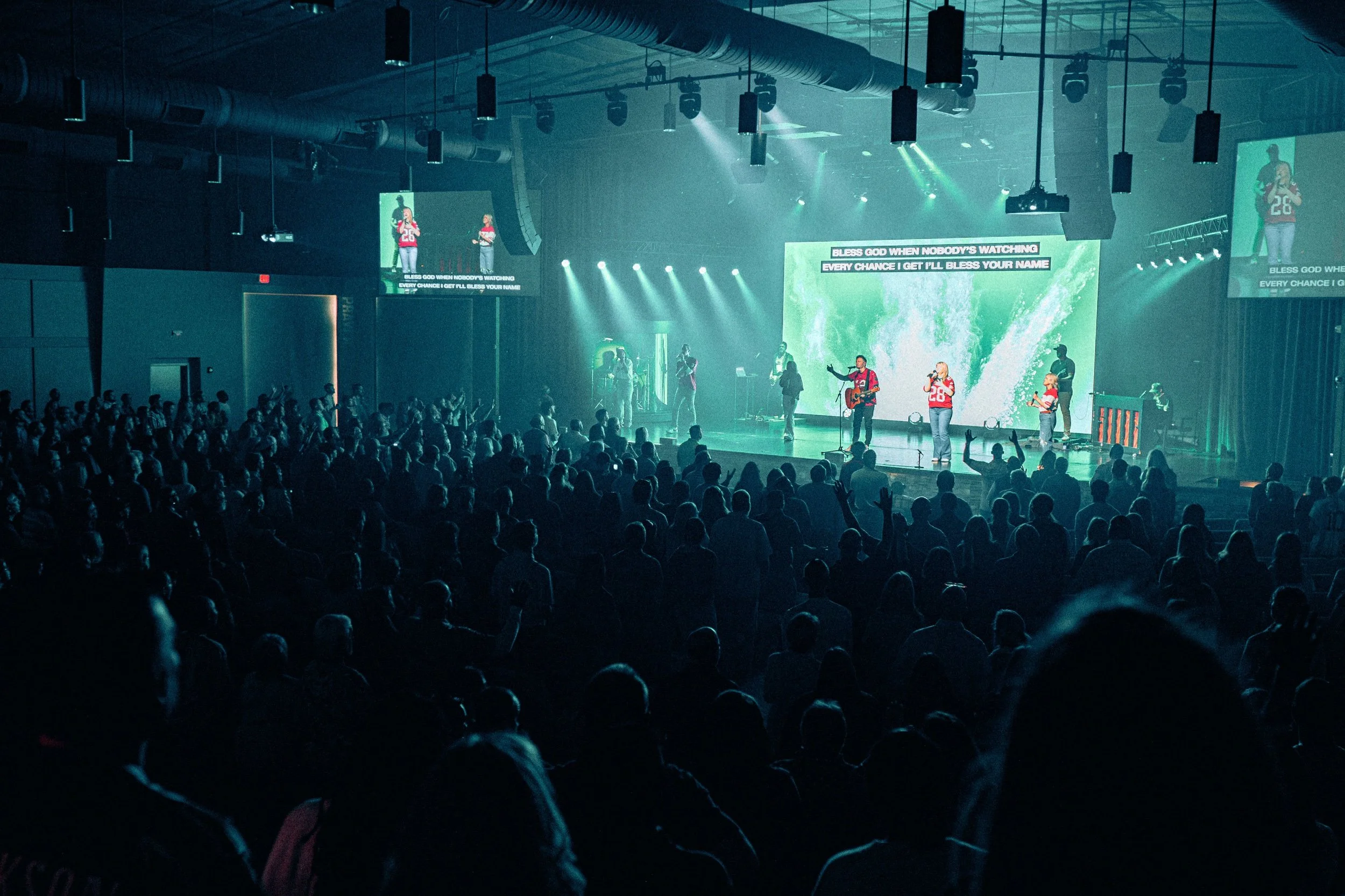
As I looked around the room, I noticed a lot of people standing…but not many people singing.
They were watching worship instead of participating in it.
Afterward, I started asking other worship leaders around the country if they were seeing the same thing. Almost every one of them said yes.
It’s interesting.
We have more incredible worship music than ever before. Better musicians. Better technology. Better production. Better resources.
Yet in many churches, congregational participation is declining.
That should concern all of us.
Because our goal isn’t to create great worship performances. It’s to create moments where people engage with the presence of God.
Here are a few things we’ve done that have helped.
1. Choose Songs People Can Actually Sing
Not every great worship song is a great congregational song.
Some songs have incredible theology but complicated melodies. Others have so many sections that they feel like a concert instead of something a room full of people can sing together.
We’ve tried to simplify.
We look for songs with memorable melodies, clear lyrics, and keys that normal people…not just worship leaders…can comfortably sing.
I’ve said this for years: if it’s difficult for me to sing every weekend, it’s probably too difficult for most of our church.
Simple doesn’t mean shallow.
Sometimes the deepest worship comes through the songs everyone can sing.
2. Stop Introducing So Much New Music
This one has been one of the biggest game changers for us.
I love new worship music. I’m constantly listening to new songs and discovering new artists.
But our church isn’t listening to worship music all day like I am.
The average person misses plenty of Sundays throughout the year. If we’re introducing new songs every couple of weeks, many people never become familiar enough with them to actually sing.
Instead of chasing every new release, we’ve intentionally kept our song list smaller.
When people know the songs, they stop reading the screens and start worshiping.
Familiarity builds participation.
3. Keep the Songs in Front of People During the Week
Sunday shouldn’t be the only time people hear the songs we sing.
We’ve created playlists with the songs we’re currently using and encourage people to listen throughout the week.
The more familiar the songs become, the more confident people become singing them on Sunday.
More importantly, worship stops becoming something they do for 20 minutes at church and starts becoming part of their everyday lives.
4. Teach People How to Worship
One of the assumptions we often make is that people automatically know what worship is.
Many don’t.
Unless someone has been taught, they may not understand why we sing, why we lift our hands, why we praise God even when life is difficult, or why worship matters at all.
That’s why I like to include short teaching moments throughout the worship set.
Not another sermon.
Just a Scripture. A brief story. A simple reminder that points people toward Jesus.
Those moments often prepare people’s hearts as much as the songs themselves.
5. Remember It’s Never About Us
This may be the most important one.
Every weekend we stand under lights, microphones, and cameras. People watch us. Our faces are on screens.
If we’re not careful, worship leadership can slowly become more about leading attention than leading people to Jesus.
Before every service, I try to remind myself of one simple prayer:
“God, help people see You today…not me.”
That’s the assignment.
We don’t just sing songs or play notes or push buttons.
We create spaces where people can encounter Jesus.
And when that becomes our focus, something changes.
People stop watching.
They start worshiping.